

Protect Your Sight with Early Detection
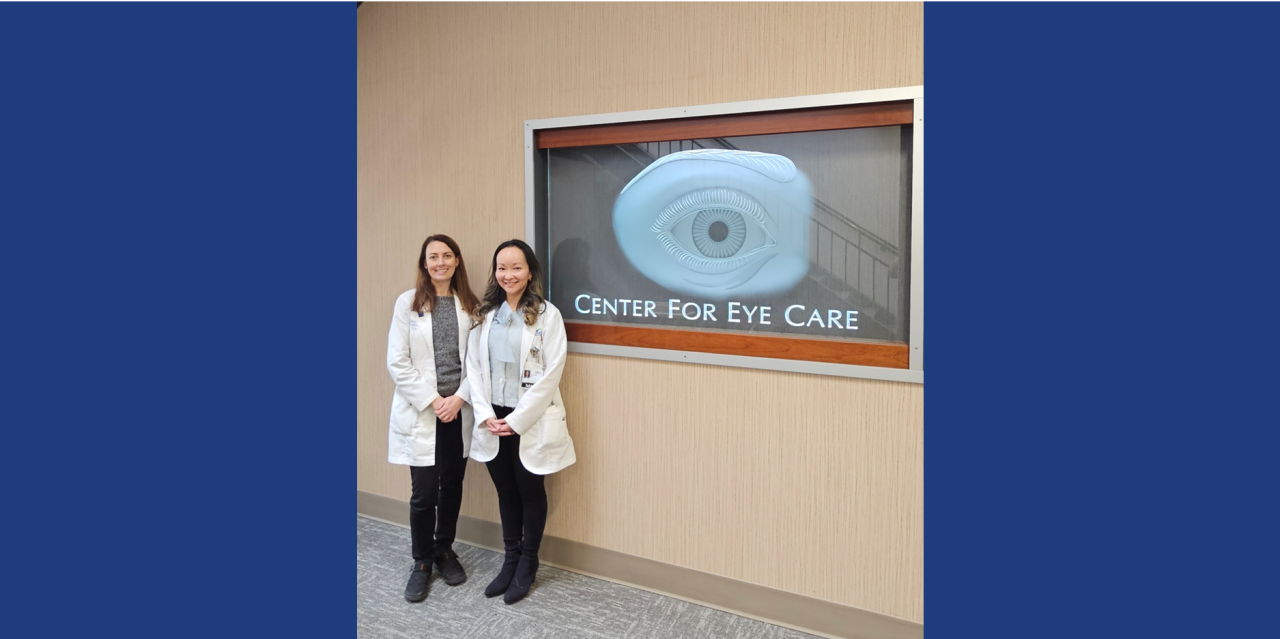
WRMC Center for Eye Care Ophthalmologists Dr. Sheila Sullivan and Dr. Susie Drake
January marks National Glaucoma Awareness Month, a time dedicated to educating the public about one of the leading causes of vision loss and blindness in the United States. Glaucoma is often called the “silent thief of sight” because it typically causes no symptoms in its early stages. By the time people notice vision changes, permanent damage may already have occurred.
At The Center for Eye Care – part of Watertown Regional Medical Center – our specialists are committed to helping our community protect their vision through early detection, advanced diagnostics, and comprehensive treatment options.
What Is Glaucoma?
Glaucoma is a group of eye diseases that damage the optic nerve, usually due to increased pressure inside the eye. Over time, this pressure can cause irreversible vision loss if not treated promptly.
Anyone can develop glaucoma, but certain groups are at higher risk, including adults over 60, African American and Hispanic/Latino individuals, Asian Americans, and those with a family history of the disease.
Why Early Detection Matters
Because glaucoma often progresses without warning, regular comprehensive eye exams are the only reliable way to detect it early. Early diagnosis allows treatment to begin before significant vision loss occurs.
During a glaucoma evaluation, an ophthalmologist may:
- Measure eye pressure
- Examine the optic nerve
- Inspect the eye’s drainage angle
- Test peripheral (side) vision
- Measure corneal thickness
- Capture imaging of the optic nerve for comparison over time
Symptoms to Watch For
Most people with early glaucoma notice no symptoms at all. However, advanced or acute cases may cause:
- Blurred vision
- Loss of peripheral vision
- Halos around lights
- Severe eye pain (in angle-closure glaucoma)
- Headache, nausea, or vomiting during an acute attack
If you experience sudden eye pain or vision changes, seek immediate medical care.
How Glaucoma Is Treated
While glaucoma cannot be cured, treatment can slow or stop further vision loss when started early. At The Center for Eye Care, our ophthalmologists offer a full range of evidence‑based treatments, including medications, laser therapy, and surgical options.
How You Can Protect Your Vision
You can also take several measures to protect your vision.
- Know your family’s eye health history
- Schedule regular comprehensive eye exams
- Take prescribed eye drops exactly as directed
- Wear protective eyewear to prevent injuries
If you are at higher risk, your ophthalmologist may recommend more frequent screenings.
We’re Here to Help You See a Brighter Future
This National Glaucoma Awareness Month, take a proactive step toward protecting your sight. If you haven’t had a dilated eye exam recently – or if you have concerns about your risk – schedule an appointment with our eye care team today.
You can learn more about Watertown Regional’s Center for Eye Care by visiting WatertownRegional.com/eye-care.
Your vision matters. Let us help you protect it.